A delayed union fracture means a broken bone is healing more slowly than expected, usually between 3–6 months after injury. A non-union fracture occurs when the healing process stops completely, often after 9 months. Both conditions can cause persistent pain, swelling, and reduced mobility, requiring specialized orthopedic evaluation and treatment.
Understanding Normal Bone Healing
A fracture is expected to heal gradually over time with proper medical care, immobilization, and rehabilitation. However, in some patients, the healing process becomes unusually slow or stops altogether. If you find that your recovery has stalled, seeking professional bone fracture treatment in Kolkata is vital, as persistent pain several months after a fracture should never be ignored—especially when daily movement becomes difficult.
The Challenge of Delayed Diagnosis in Kolkata
In my clinical experience, many patients in Kolkata delay seeking specialist evaluation because they assume prolonged pain is a normal part of recovery. Unfortunately, delayed treatment can increase the risk of long-term mobility issues, chronic pain, and fracture instability.
Patients searching for a bone fracture specialist in Kolkata often visit our clinic after experiencing persistent swelling, difficulty walking, or recurring discomfort months after their injury. Identifying whether a fracture is progressing slowly or has completely failed to unite is essential for choosing the correct treatment approach.
What is a Delayed Union Fracture?
A delayed union fracture occurs when a broken bone takes longer than expected to heal but still shows some biological signs of recovery. Most fractures begin forming stable bone connections within a few months. However, if healing remains incomplete between 3–6 months, orthopedic specialists may diagnose delayed union.
Common Symptoms of Delayed Union
- Persistent pain near the fracture site
- Difficulty bearing weight
- Swelling that does not completely resolve
- Reduced limb function
- Tenderness during movement
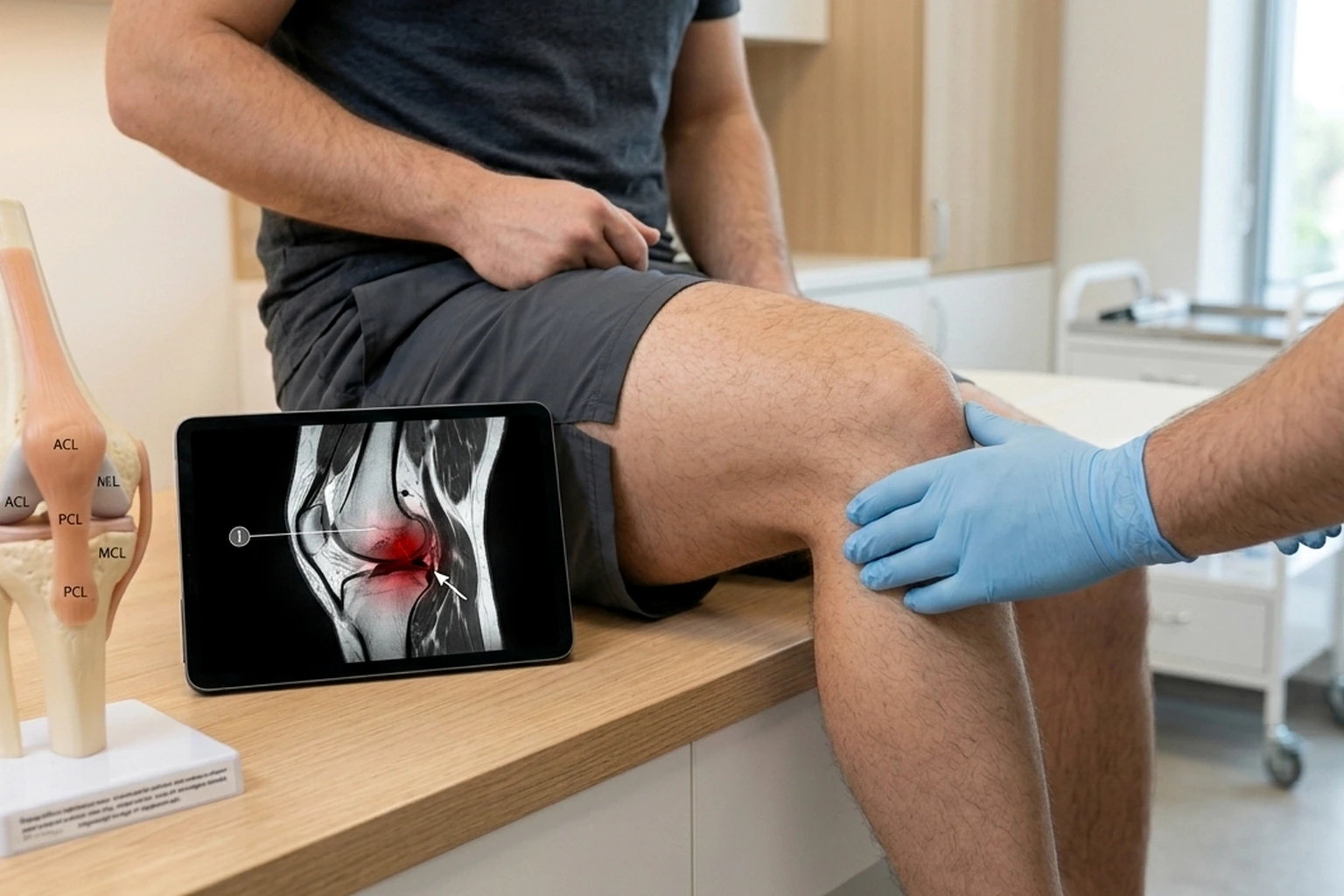
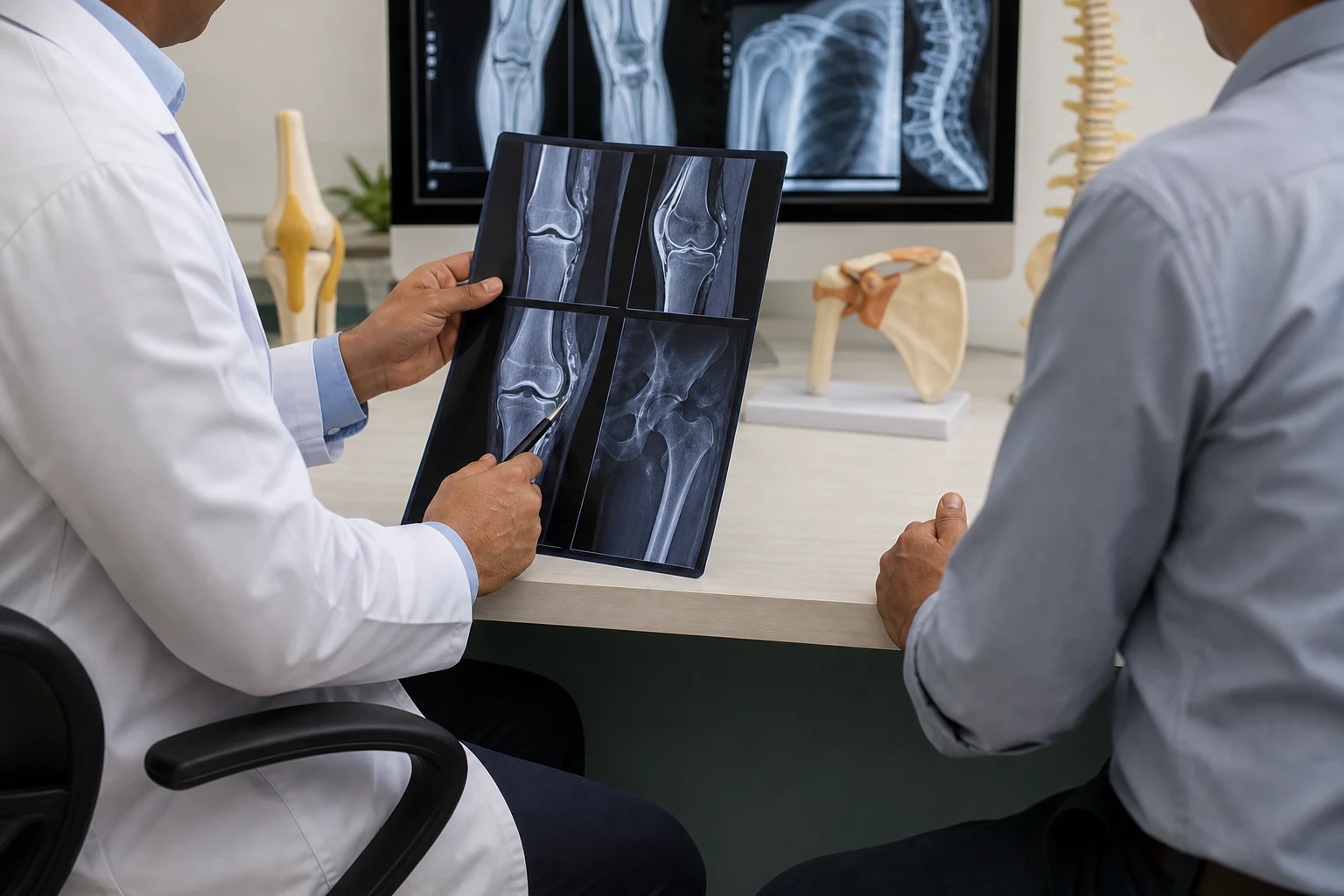
- Slow progress on follow-up X-rays
At our Kolkata clinic, we prioritize early detection because delayed union can sometimes progress into a more serious non-union fracture if left untreated.
Several factors may contribute to slow healing:
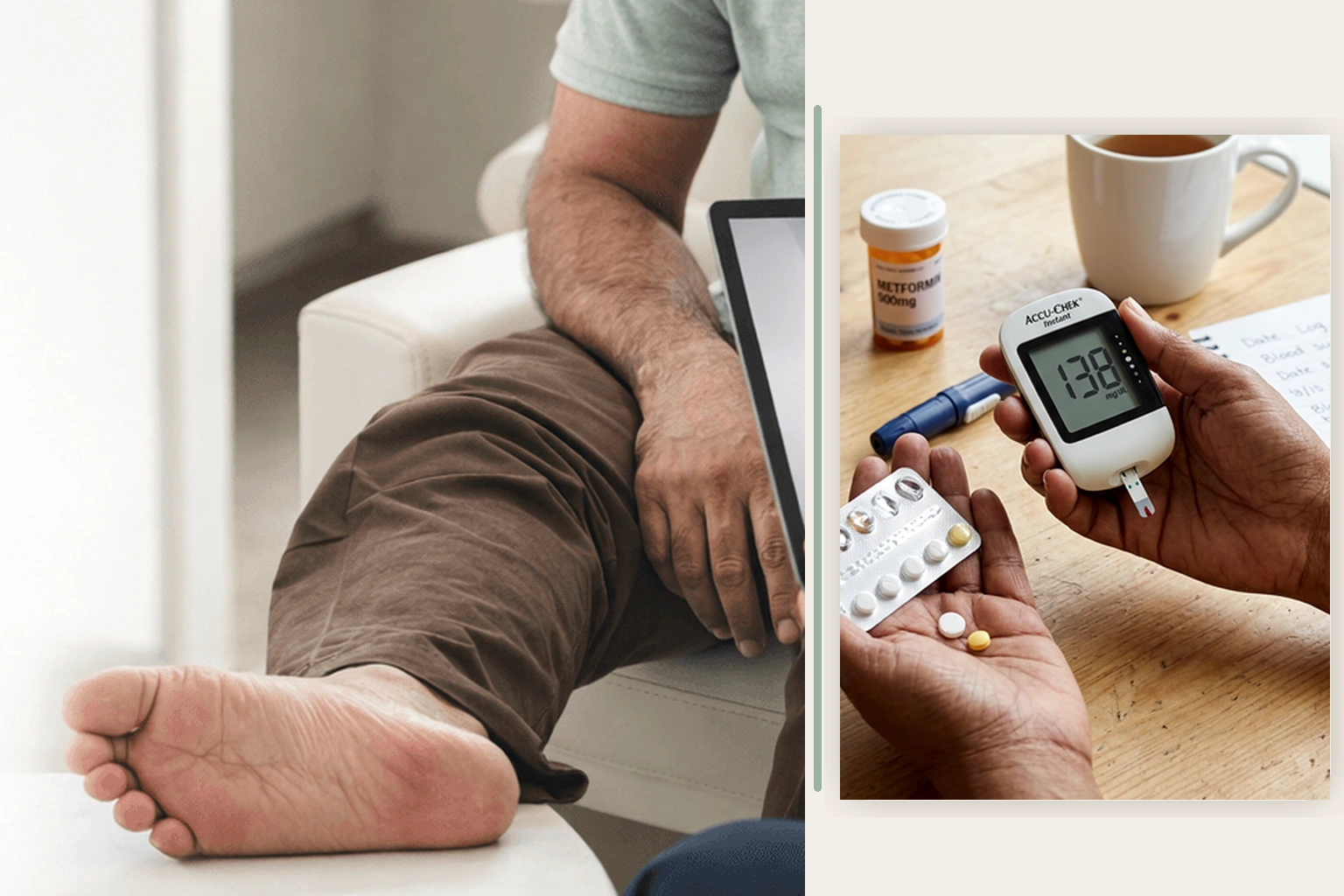
- Diabetes
- Smoking
- Osteoporosis
- Poor blood circulation
- Severe trauma
- Nutritional deficiencies
- Infection
- Inadequate fracture stabilization
Kolkata’s humid climate can also indirectly affect recovery. During monsoon seasons, excessive sweating and moisture around casts or braces may increase skin irritation, discomfort, and infection risk if cast care is neglected. Proper hygiene and regular orthopedic follow-ups become especially important in such conditions.
Patients searching for a bone specialist for fracture Kolkata should understand that timely reassessment after the 12-week mark is often critical if pain and swelling continue.
When Does It Become a Non-Union?
A fracture is typically classified as a non-union when the bone shows no meaningful healing progression for several months, usually around the 9-month mark after injury.
In non-union fractures, the body essentially stops attempting to repair the broken bone naturally. Without advanced orthopedic intervention, proper healing may never occur.
Warning Signs of Non-Union Fractures
- Ongoing pain months after injury
- Persistent instability at the fracture site
- Movement where the bone should be stable
- Recurrent swelling
- Difficulty standing or walking
- Failure of repeated X-rays to show healing progression
In my clinical experience, patients with tibia fractures, femur fractures, and fractures caused by high-impact road accidents are at higher risk of developing non-union complications.
For many patients, the biggest concern is that symptoms initially improve slightly and then plateau completely. This often creates a false sense of recovery while the underlying fracture remains unstable.
Patients seeking complex bone fracture treatment Kolkata frequently require specialized imaging, surgical planning, and advanced fixation techniques to restore proper bone healing.
Difference Between Delayed Union and Non-Union
| Feature | Delayed Union | Non-Union |
|---|---|---|
| Healing Status | Slow healing continues | Healing process stops |
| Timeline | Usually 3–6 months | Usually after 9 months |
| Pain | May gradually improve | Persistent pain continues |
| X-Ray Findings | Partial bone formation visible | Little or no healing progression |
| Treatment Approach | Monitoring or stimulation | Often requires surgery |
Understanding this distinction is important because treatment strategies differ significantly depending on the stage of healing failure.
3 Common Reasons Why Fractures Fail to Heal in Urban Environments
1. Delayed Specialist Follow-Up
Many patients resume daily activity too early or skip follow-up appointments after initial fracture management. In busy urban environments like Kolkata, long work hours and commuting often delay proper reassessment.
A fracture that appears stable externally may still require additional monitoring internally through imaging studies.
2. Lifestyle and Medical Conditions
Modern urban lifestyles contribute significantly to poor fracture healing. Smoking, uncontrolled diabetes, poor sleep, nutritional deficiencies, and sedentary routines can all interfere with bone regeneration.
Vitamin D deficiency is particularly common in Indian patients and may affect bone strength and healing speed.
At our Kolkata clinic, we prioritize a comprehensive evaluation of metabolic and lifestyle factors when patients experience prolonged fracture recovery.
3. Infection or Improper Stabilization
Improper alignment or insufficient fracture stabilization can prevent healthy bone union. In some cases, low-grade infections around implants or fracture sites may silently interfere with healing for months.
Kolkata’s humid weather conditions may increase infection risks if wound care and cast hygiene are neglected during recovery.
Patients searching online for bone fracture treatment in Kolkata should seek orthopedic evaluation immediately if they notice unusual swelling, discharge, fever, or worsening pain around the injured area.
Advanced Treatments: Bone Grafting and Internal Fixation in Kolkata
When conservative treatment fails, advanced orthopedic procedures may be necessary to restore healing.
Bone Grafting
Bone grafting involves placing healthy bone material into the fracture gap to stimulate healing. This procedure helps encourage new bone formation in cases where natural healing has stopped.
Bone grafts may come from:
- The patient’s own bone
- Donor bone material
- Synthetic bone substitutes
Internal Fixation Procedures
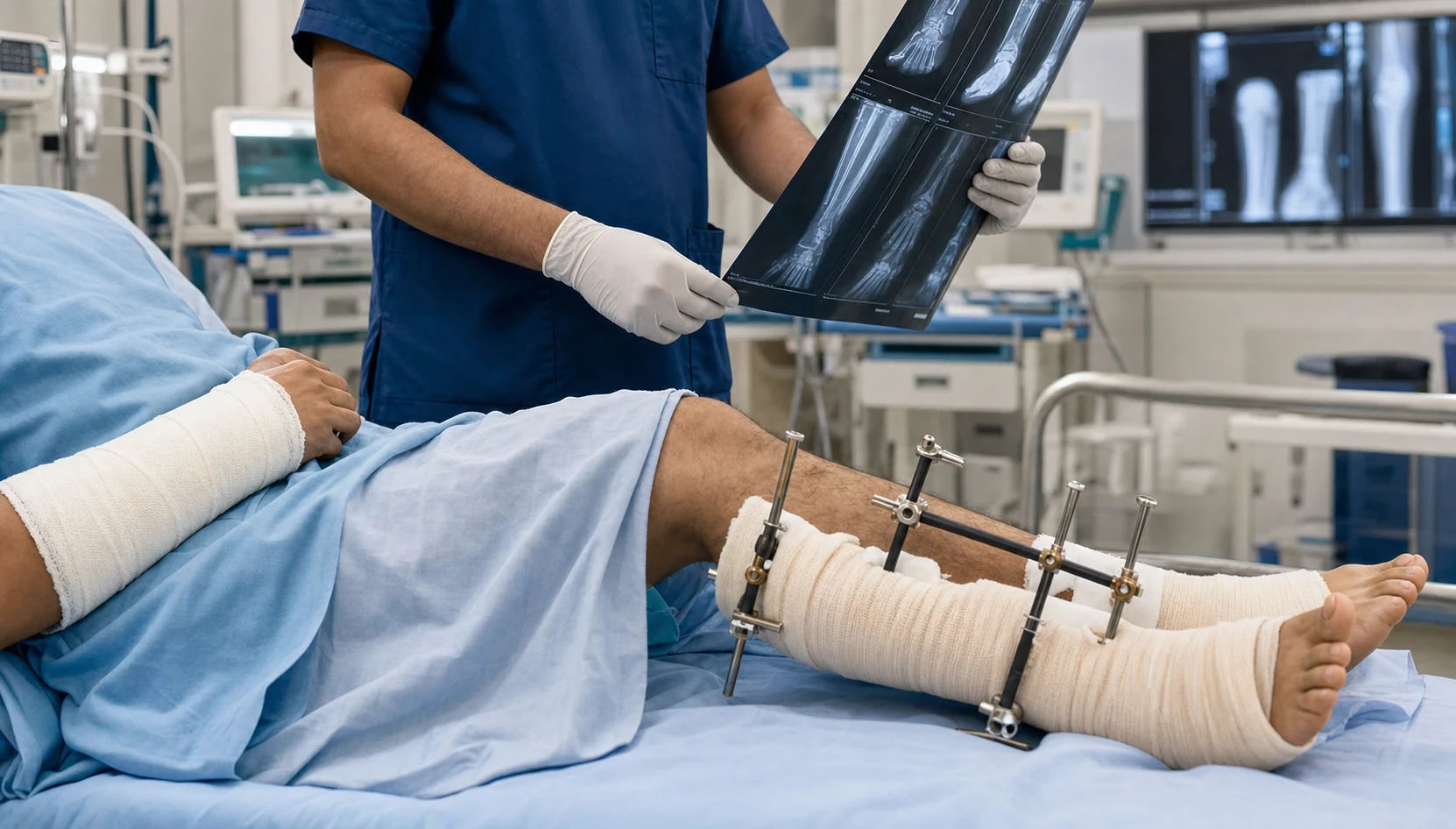
Internal fixation stabilizes the fracture using:
- Plates
- Screws
- Rods
- Specialized orthopedic implants
These techniques help maintain proper alignment while promoting stable healing.
In my clinical experience, many patients with delayed or non-union fractures achieve significant improvement after properly planned fixation procedures combined with rehabilitation and nutritional optimization.
Patients searching for an Orthopedic doctor in Kolkata should choose a specialist experienced in managing complex fracture complications rather than relying solely on initial emergency treatment.
Why Seeking a Second Opinion Matters After Week 12
One of the most important clinical recommendations for patients in West Bengal is this:
If fracture pain, swelling, or instability continues beyond 12 weeks, a specialist orthopedic review should not be postponed.
Many delayed union cases can still heal successfully when identified early. Waiting too long may increase surgical complexity and prolong recovery further.
At our Kolkata clinic, we prioritize early imaging review and individualized treatment planning for patients experiencing prolonged symptoms of fractures.
Recovery and Rehabilitation After Advanced Fracture Treatment
Recovery does not end after surgery or fixation. Proper rehabilitation remains essential for restoring strength and mobility.
Treatment plans may include:
- Physiotherapy
- Gradual weight-bearing exercises
- Nutritional correction
- Bone health monitoring
- Regular imaging follow-up
Successful fracture healing depends on both surgical precision and long-term rehabilitation compliance.
Consult a Bone Specialist in Kolkata
Persistent pain after a fracture should never be considered normal beyond the expected healing timeline. Early evaluation can help prevent chronic disability and improve long-term mobility outcomes.
Patients experiencing delayed fracture recovery, instability, or persistent discomfort may benefit from consultation with an experienced orthopedic specialist.
Best orthopedic doctor in Kolkata
You can also consult Dr. Manoj Kumar Khemani's Clinic for advanced fracture evaluation and personalized orthopedic care.
Frequently Asked Questions
What is the most common sign of a non-union fracture?
The most common sign is persistent pain at the fracture site long after the initial injury. If you still feel pain, swelling, or instability 6 to 9 months after your injury, it likely indicates a non-union. Consulting a bone specialist for fracture in Kolkata is essential to determine if surgical intervention is needed.
Can a non-union fracture heal without surgery?
While some delayed unions can heal with specialized "bone stimulators" and physical therapy, a true non-union usually requires complex bone fracture treatment in Kolkata. This often involves a procedure to "freshen" the bone ends and may include bone grafting or new internal fixation (plates/screws).
How long does a "delayed union" take to heal?
A delayed union is generally characterized by a fracture that has not healed within the expected 3 to 6-month window. With the right intervention from a bone fracture doctor in Kolkata, many of these cases can progress to full healing within an additional 3 months without major surgery.
Why does a broken bone fail to heal?
The primary reasons include poor blood supply to the fracture site, excessive movement (instability) of the bone, or underlying health issues like diabetes or smoking. In urban environments like Kolkata, factors like vitamin D deficiency can also play a hidden role in slow bone recovery.
Whether you're considering a procedure or simply looking to maintain better bone health, understanding the latest medical insights helps you make informed decisions about your care.